
Crying at whales; dolphin and whale watching; magical nature connection
Lots of you have asked about my ‘whale thing’. It was Tiaki, a Sperm whale in New Zealand, who made me cry the most. But long before that, it was during a brief encounter in the Bay of Biscay that I first gave my heart to our magnificent whale and dolphin neighbours.
It started in 2006. I was newly single and some friends and I took a ferry to Spain for a fun getaway – 24 hours from Portsmouth to Bilbao, 4 hours ashore and 24 hours return. All for £4 through a tabloid offer!
What we didn’t know was that the ferry, The Pride of Bilbao (sadly decommissioned in 2010) was equipped to monitor the sea conditions for dolphins!
Whale watching
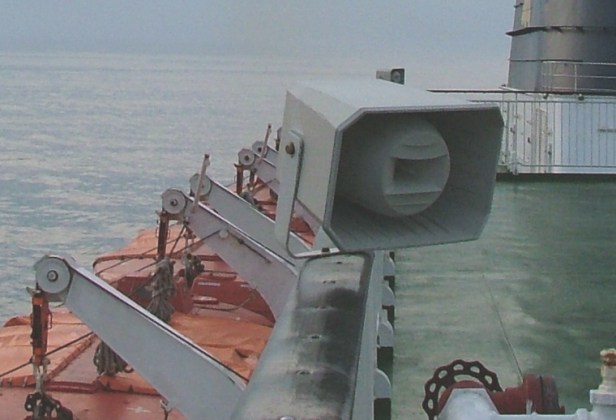
There were observation sensors measuring sea temperature, chlorophyll production and salinity, while on-board experts gave talks on the whale and dolphin species in the Bay of Biscay, and tannoy alerts broadcast any sightings.
The top deck was painted with comparative size indicators of various cetaceans from the Blue Whale down, an excellent way to raise public awareness about these amazing marine creatures we know so little of, at the same time as providing clever ways for scientists to obtain data during each ferry journey.
Sunset serenity
On the outbound sailing I went outside to watch the sun go down in solitude. It was a gentle though golden sunset and there was a deep calm on deck.

The sea was rolling but quiet with a soft, hair-ruffling wind. It was a powerfully rejuvenating few minutes, just me, the air and the ocean.
The tranquillity was suddenly shattered by the strident crack of a tannoy – there had been a sighting to starboard.
I dashed to the right hand side of the boat, scanning the sea. Nothing.
Was I on the wrong side of the boat? The tannoy blasted again, this time with a directional ‘2 o’clock’ location.
And there I saw A SPOUT! Small, quick; a jet of water expelled through the blowhole. A whale!!
The wave of emotion was indescribable.
In the space of 45 seconds I had experienced quiet contentment on deck, irrational anger at the blasting tannoy, a bereft sense of loss at the empty ocean and then pure joy and excitement – all at spotting a fountain of water in the sea?!
That’s when I cried! I didn’t see the actual whale but that evidence of life, of whale breath, was enough.
Nature’s revelation
To be allowed a glimpse into the world of a creature who spends all it’s time in water (the element of soul), is a profound, profound privilege. Such fleeting moments allow us to witness mere fragments of another being’s existence before they disappear deep into an area of our planet we barely understand. Unforgettable.
Incredibly, that whale was a Cuvier’s Beaked Whale, a small cetacean I’d never heard of. My first ever whale (spout) sighting!
We also saw Sei, Fin whales and then dolphins on the return journey.
The Guggenheim museum in Bilbao was a ludicrously rushed 4-hour mini adventure in itself, though for me, the whales I saw en route stole the show, and also forever my heart.
Tiaki the Sperm whale
Years later, in 2007, I spent a month visiting my sister in New Zealand where we saw huge pods of dolphins in Milford Sound and later Sperm whales at Kaikoura on the east coast..
Seeing a Sperm whale in open ocean was honestly the most magical experience of my life. There was deep excitement to spot him in the first place and then awe at watching him on the surface. But it was the incredible moment when his fluke went up, sea water pouring off as he heaved himself under the water into a deep dive that finished me off.
The moment his tail disappeared left me joyfully bawling my eyes out! Utter wonderment and an incredible feeling of gratitude that is etched in my heart for ever.

It was fascinating to discover, on reading Tom Mustill’s book How to Speak Whale in 2023, how much technological advances have improved whale tracking and research since 2007. As well as the incredible science of trying to decode whale communication, we now know that whales can be identified by the shape and pattern of their flukes (tail fins) which are as individual as finger prints.
On learning this I sent Whale Watch Kaikoura my photo of the whale fluke, and finally learnt Tiaki’s name! In Maori it means to care for people and place, or guardian/protector.
He’s a male Sperm whale, first recorded in the area in 1994 and regularly spotted travelling with another male called Manu. Tiaki was 15.4 metres long in 2023, making him relatively young since Sperm whales can grow to 24 metres! He was most recently seen this summer (2025) and it’s fantastic to know he’s still alive and well.
Kia Ora Tiaki. May you continue to live a long and healthy life, and thank you for the joy you bring.
Dolphin watching
So. The whales (and their spouts – or blow) made me cry again. But not the dolphins – seeing them was created an elated excitement but no tears. Which got me to wondering…

We need nature connection
Apart from the immense size of the whales, perhaps the root of the emotion stems from their disappearance? We left the dolphins, we sailed away from the pod while they were still playing, whereas the whales left us.
Whales briefly interact with our world and then they disappear. With a magnificent flourish of gigantic body and massive tail they are gone from us, hundreds of metres below, where we can not follow.
They show themselves momentarily, teasing, tantalising but without giving us a chance to know them.

The moment the tears flowed: Tiaki the Sperm whale diving, Kaikoura, NZ
I wonder how this translates to the human psyche? What is it that we choose to show the world and what of ourselves do we keep hidden in our own depths that the world may not, or only occasionally, be allowed to see?
Crying at whales
So now you know; I cry when I see whales! And always will when witnessing these enchanting marine mammals. Nor will I ever be anything but proud of my uncontrollable tears.
Since Bilbao I’ve had the privilege of seeing other whales and dolphins in California, Florida, the Canaries, Madeira and the UK.
Maybe one day my dream of kayaking with Orcas will be fulfilled too.
Until then, the few moments I have already been granted with these most majestic of nature’s giants are memories I’ll treasure forever.
“Wild wishes everyone that you may, at least once in their life, see a dolphin or whale in the wild”
Follow Kids of the Wild
Join Kids of the Wild on Facebook, Instagram and X and sign up to the website so you don’t miss new posts.
More nature inspiration
For more amazing animals and wonderful wildlife, read wildlife & nature
Find out how to spot Puffins on the Farne Islands and how to save an injured seal pup at the beach
Kids education Zone
What is a whale?
whale1
noun: whale; plural noun: whales; plural noun: whale
a very large marine mammal with a streamlined hairless body, a horizontal tail fin, and a blowhole on top of the head for breathing.
Whale and dolphin facts
- Whales and dolphins are Cetaceans (from the Latin for whale and huge fish)
- The Blue Whale is the largest animal EVER to have lived, bigger than the dinosaurs.
- A Blue Whale’s heart is the size of a VW Beetle and a whole football team can stand on its tongue
- Sperm whales can dive down to 2000m for around 2 hours
- A Fin whale expels up to 970 litres of wee a day, about 3 baths-full
- Blue whales are the loudest creatures on earth, singing at up to 188 decibels, louder than a jet which only reaches 140 dB!
- Orcas are actually dolphins, the biggest dolphin species
- Dolphins can live up to 40 years, Orcas 70 while some whales may live up to 200 years
- Dolphins use clicks, squeaks and whistles to communicate using echolocation
- If dolphins fall asleep they stop breathing and drown so they go to sleep ‘in half’ – half their brain shuts down to rest while the other half stays alert and maintains breathing
- Check out the Whale and Dolphin Conservation Trust for more incredible facts and pictures including anatomy diagrams